Sealcoating Benefits for Asphalt Surfaces
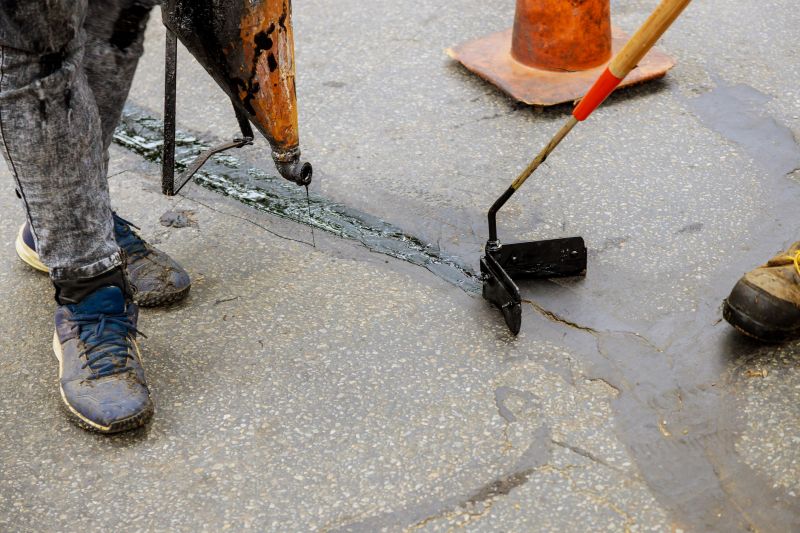
Spring offers optimal conditions with moderate temperatures and low humidity, allowing for effective curing and adhesion of sealcoats.
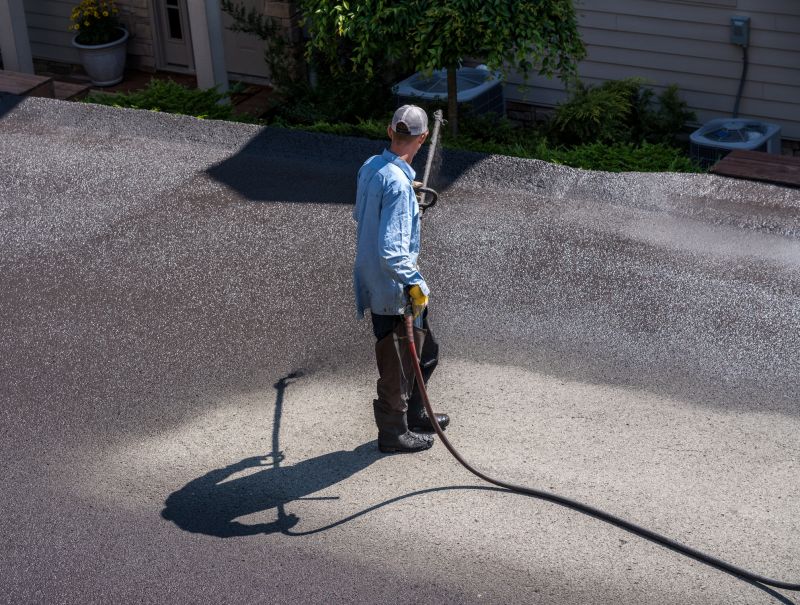
Summer provides longer daylight hours and warm weather, ideal for quick application and drying, provided temperatures stay within recommended ranges.
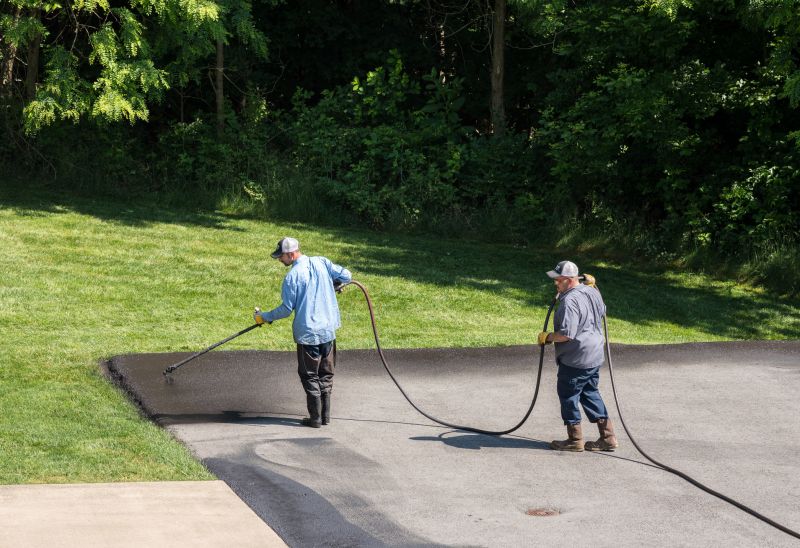
Fall can be suitable if temperatures remain above 50°F, with dry conditions helping to ensure proper curing before winter.
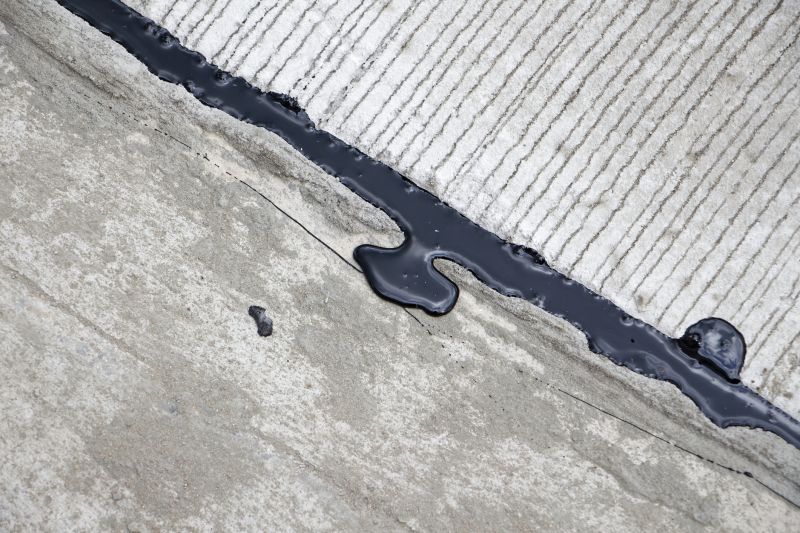
Ways to make Sealcoatings work in tight or awkward layouts.
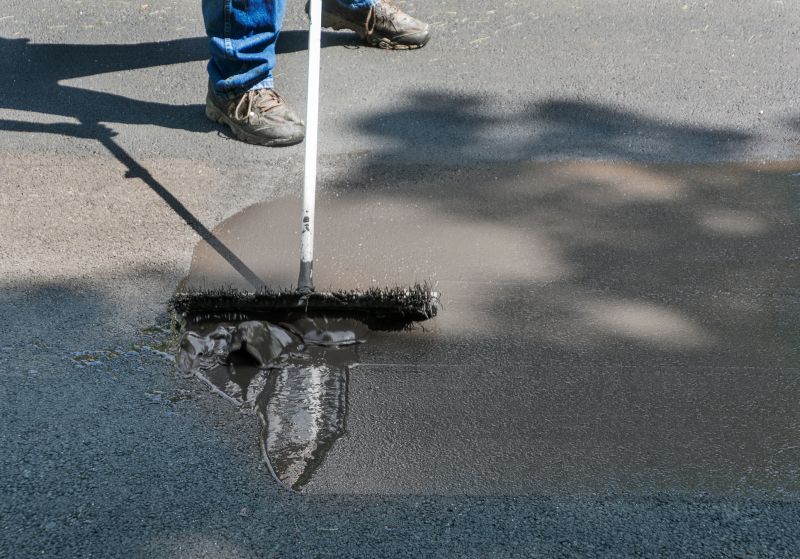
Popular materials for Sealcoatings and why they hold up over time.
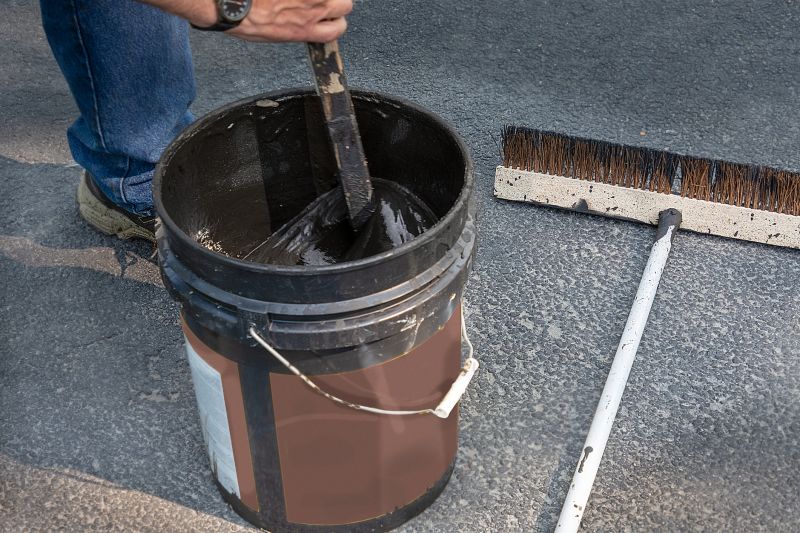
Simple add-ons that improve Sealcoatings without blowing the budget.
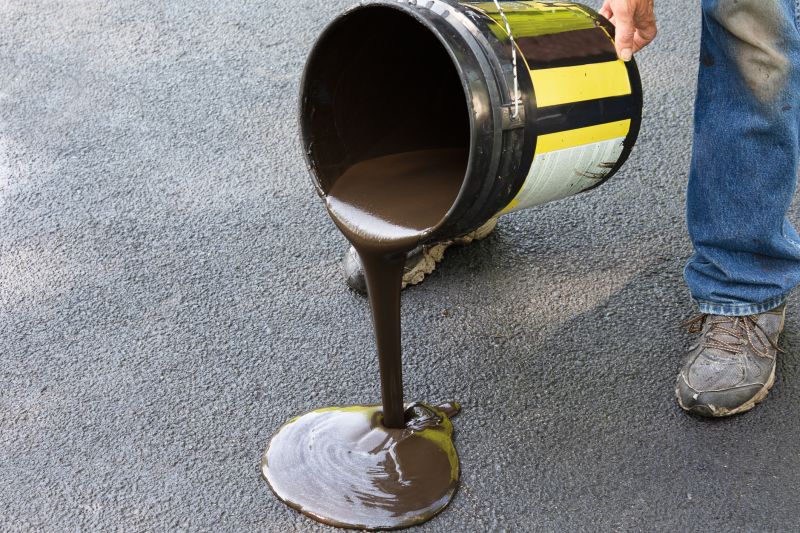
High-end options that actually feel worth it for Sealcoatings.
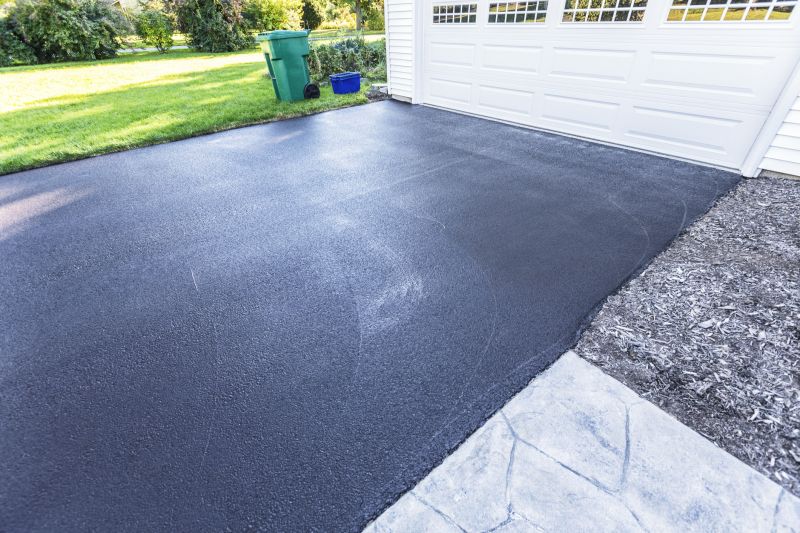
Finishes and colors that play nicely with Sealcoatings.
Sealcoatings are protective surface treatments applied to asphalt pavements to extend their lifespan and improve appearance. They act as a barrier against water, UV rays, and chemicals, reducing deterioration caused by weather and traffic. Proper application enhances pavement durability, prevents cracks, and maintains surface integrity. Sealcoatings typically comprise asphalt, rubber, or polymer-based materials, and are most effective when applied under suitable weather conditions. Regular maintenance with sealcoatings can significantly delay the need for costly repairs and resurfacing.
Ideal temperatures for sealcoating range from 50°F to 85°F, with low humidity and dry conditions to ensure proper curing.
Applying sealcoats in temperatures below 50°F can lead to poor adhesion and longer drying times, reducing effectiveness.
Late spring and early fall are generally preferred for sealcoating projects due to favorable weather conditions.
Sealcoating during winter is not recommended because cold temperatures and moisture interfere with proper curing.
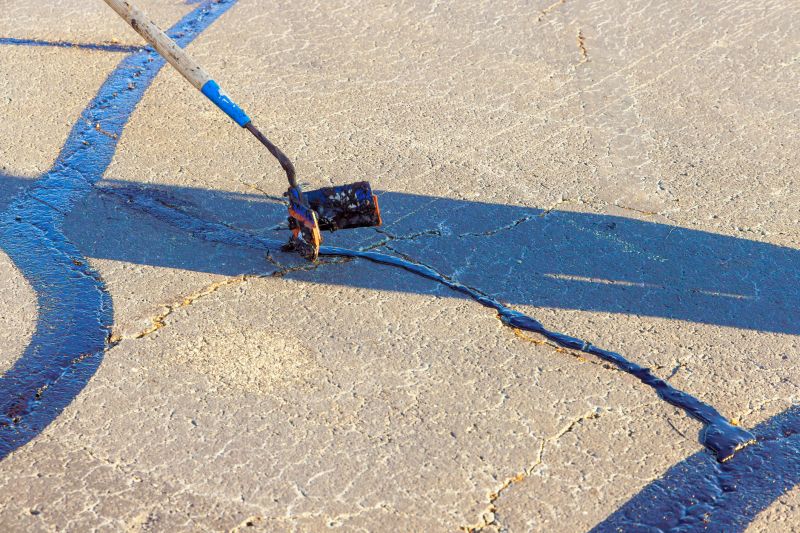
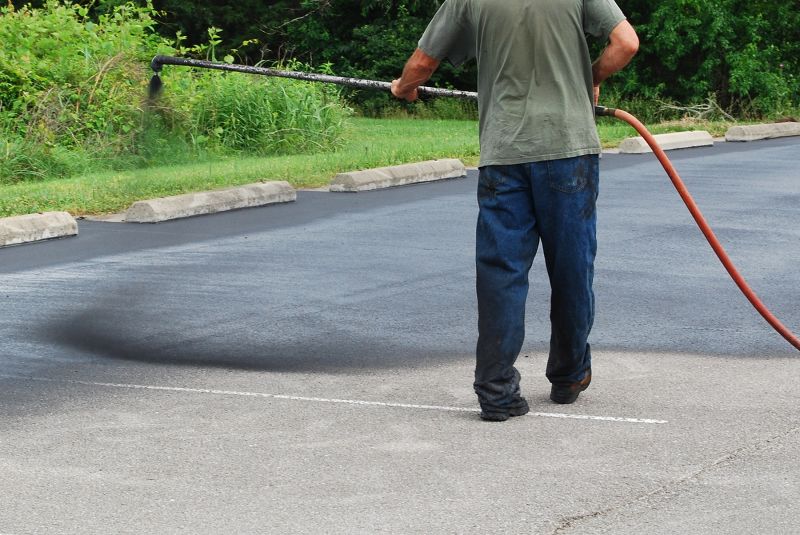
Professional application involves cleaning, surface preparation, and even coating application for durability.
Proper curing time depends on weather conditions but typically ranges from 24 to 48 hours.
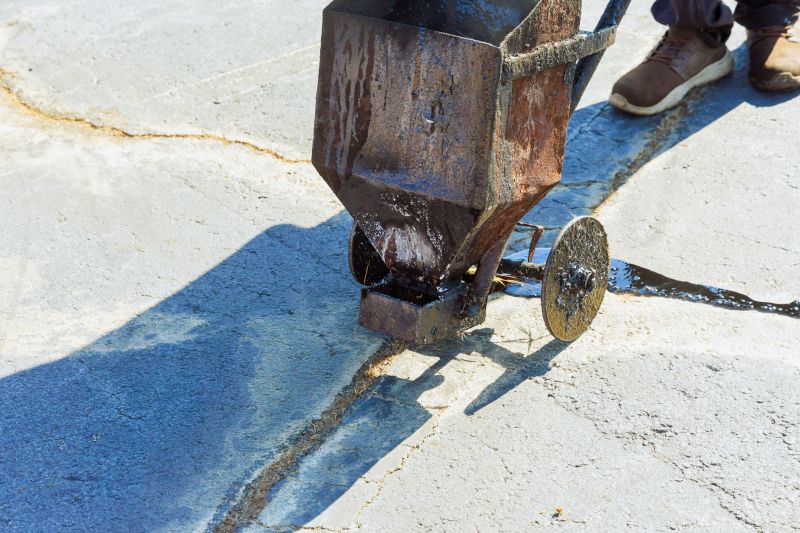
Rain or high humidity during curing can compromise the sealcoat's effectiveness and finish.
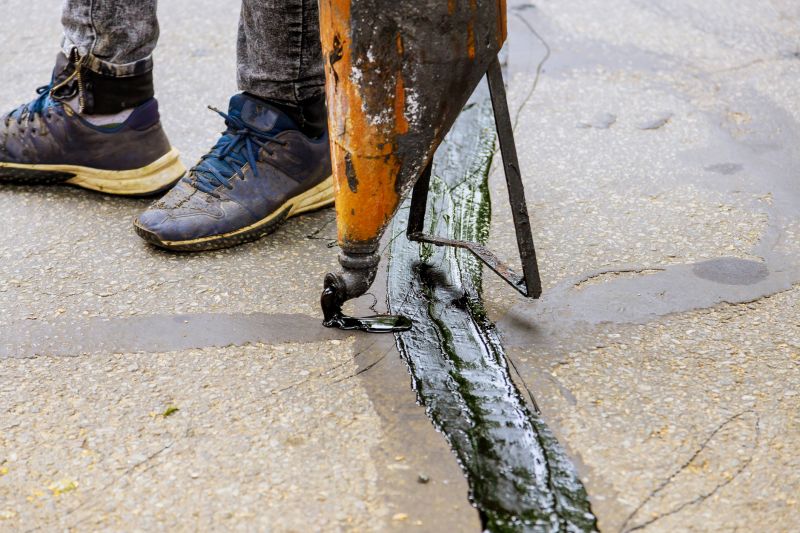
Removing debris, oil, and existing cracks ensures better adhesion and longer-lasting results.
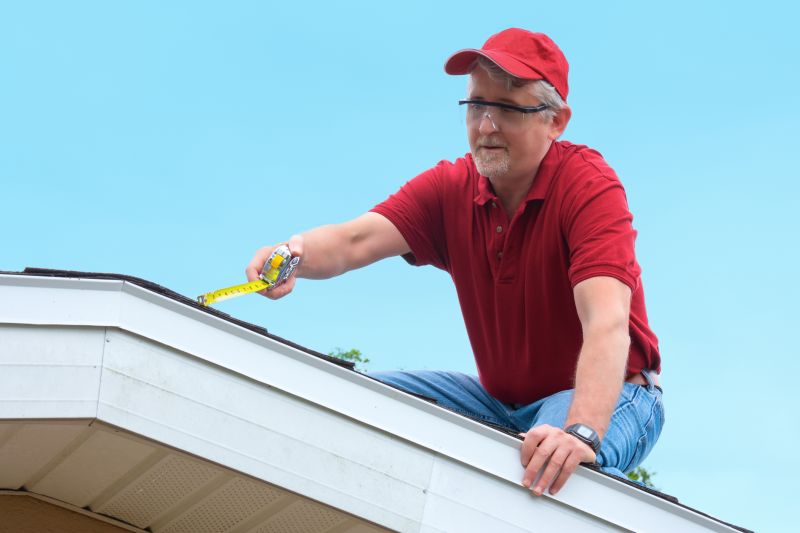
Little measurements that prevent headaches on Sealcoatings day.
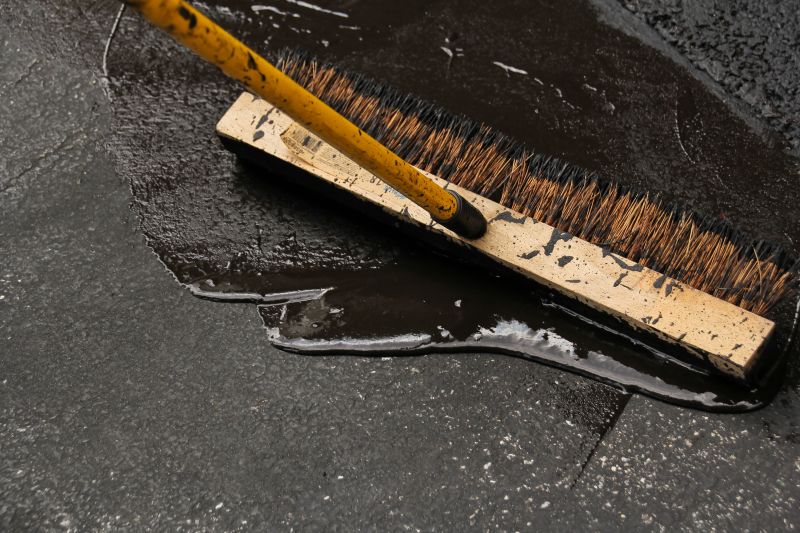
A 60-second routine that keeps Sealcoatings looking new.
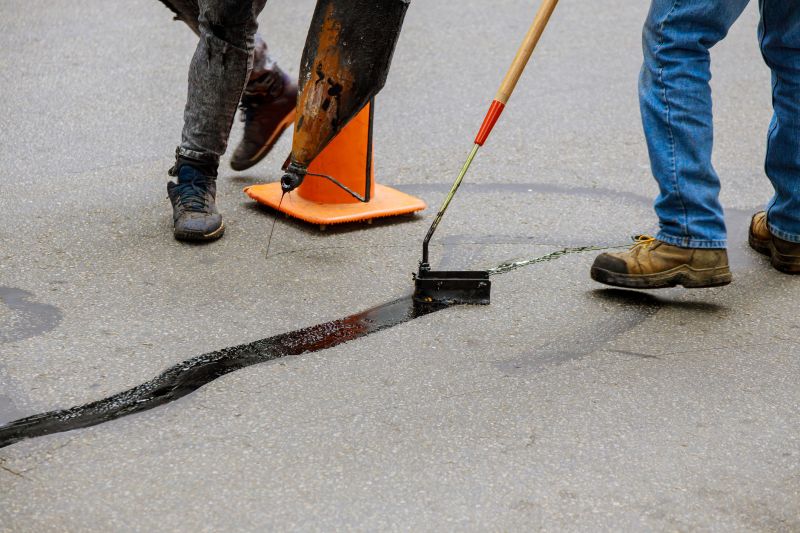
A frequent mistake in Sealcoatings and how to dodge it.
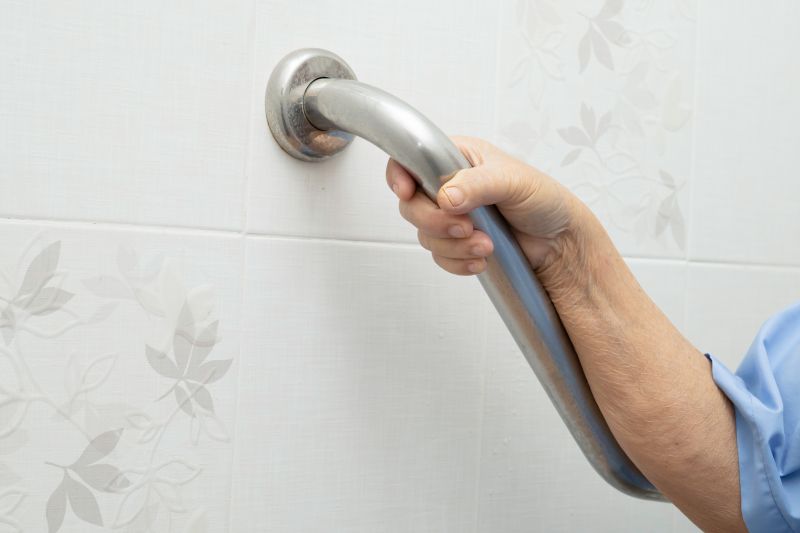
Small tweaks to make Sealcoatings safer and easier to use.
| Season | Recommended Temperature Range |
|---|---|
| Spring | 50°F to 85°F |
| Summer | 70°F to 85°F |
| Fall | 50°F to 75°F |
| Winter | Not recommended |
| Late Spring/Early Fall | Ideal for application |
Applying sealcoatings during the appropriate season ensures maximum effectiveness and durability. Proper timing aligns with optimal weather conditions, allowing for thorough curing and adhesion. It is important to monitor local weather forecasts and avoid application during rain, extreme heat, or cold spells to prevent compromised results. Regularly scheduled sealcoating can help maintain asphalt surfaces, extending their service life and reducing long-term maintenance costs.
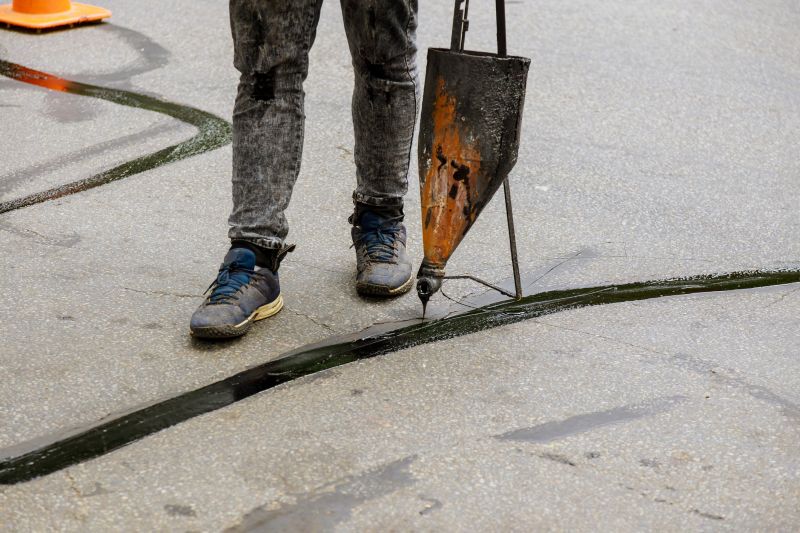
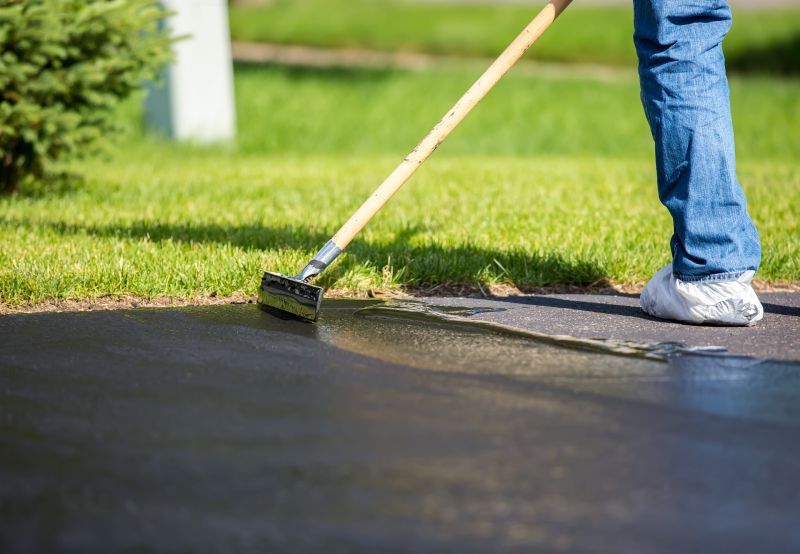
Sprayers and squeegees are used for even application, ensuring uniform coverage.
Power washers and crack fillers prepare the surface for optimal sealcoat adhesion.
Monitoring tools help determine the best window for application based on forecast conditions.
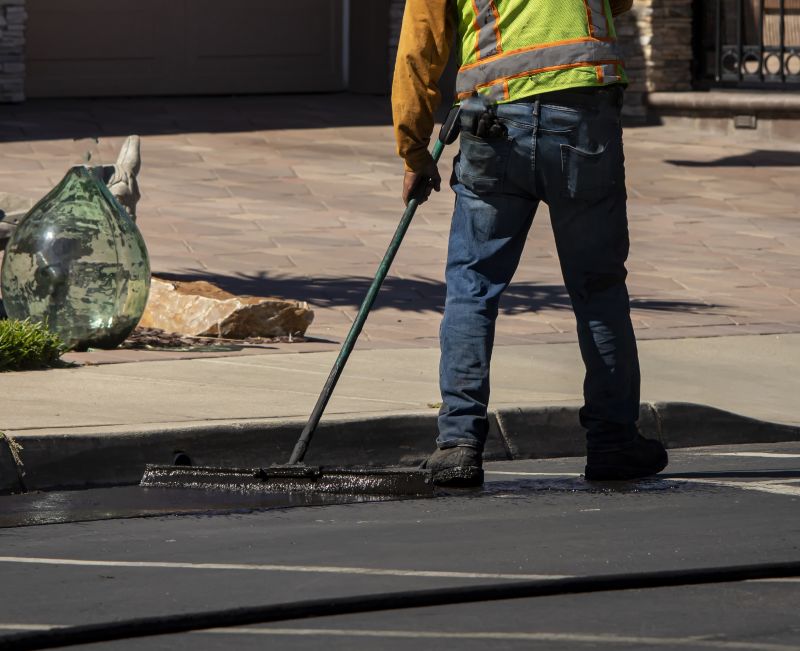
Different formulations are chosen based on pavement type and environmental conditions.
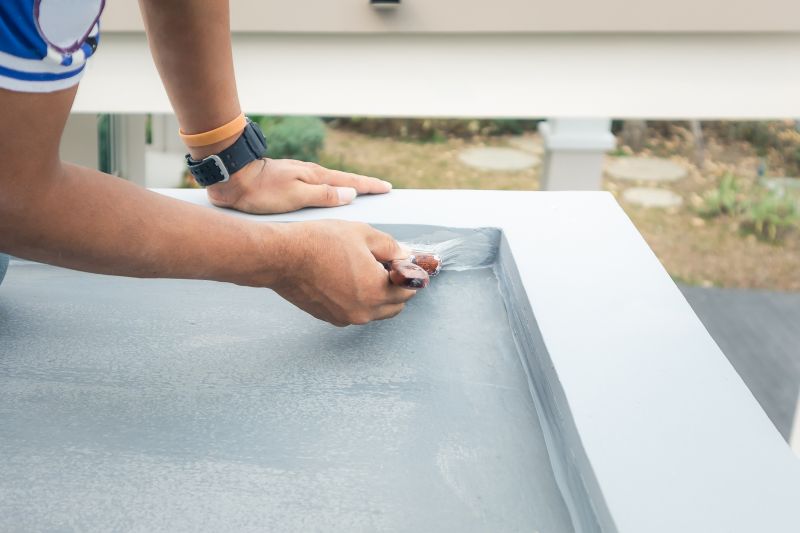
Lower-waste or water-saving choices for Sealcoatings.
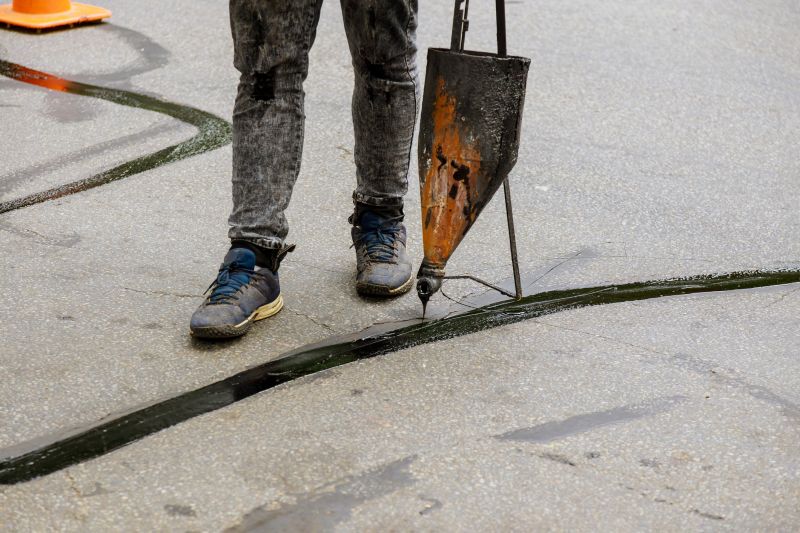
The short, realistic tool list for quality Sealcoatings.
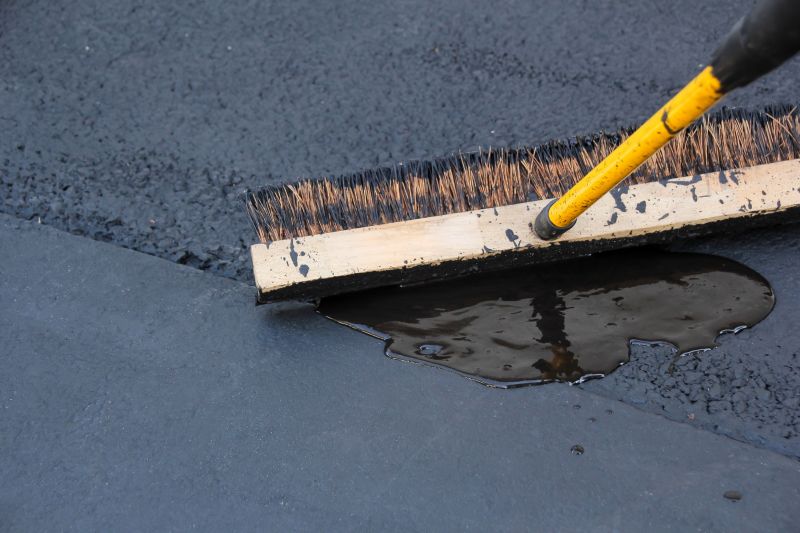
Rough timing from prep to clean-up for Sealcoatings.
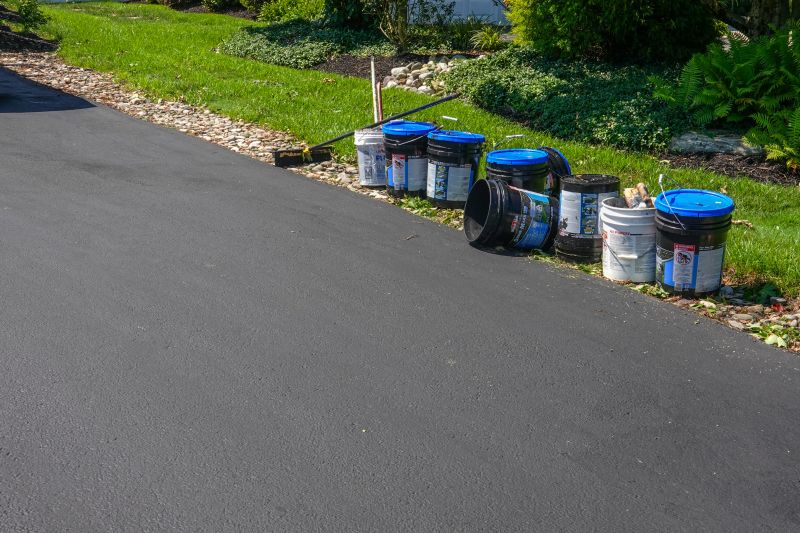
Quick checks and paperwork to keep after Sealcoatings.
Choosing the right time for sealcoating involves considering local climate patterns and current weather conditions. Proper scheduling ensures the sealcoat cures correctly, providing long-lasting protection. Consulting with professionals can help identify the most suitable periods for application, minimizing disruptions and maximizing results.
Interested in scheduling a sealcoating project? Filling out the contact form can provide more information and help determine the best timing based on specific surface conditions and local climate patterns.